 Reviews

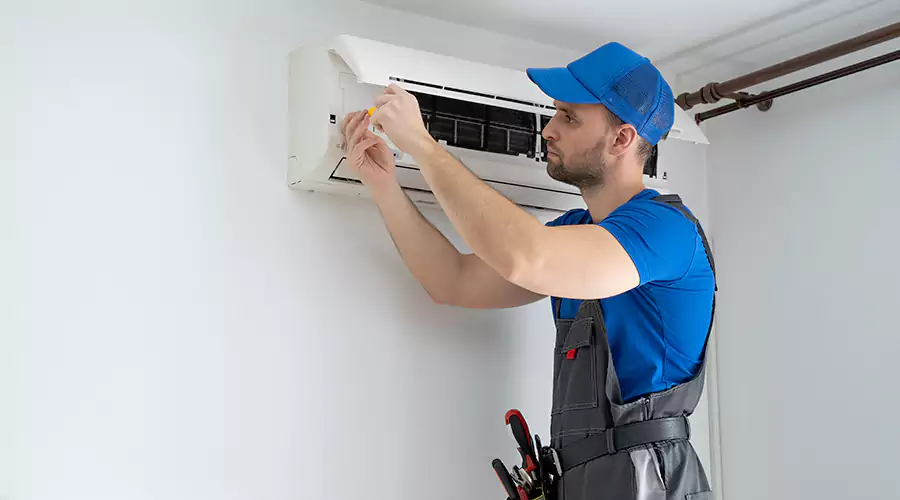
Most heating and cooling issues do not appear suddenly. They usually start with small changes that homeowners overlook until comfort drops or the system stops working. Learning the most common hvac problems can help you catch issues early, know when HVAC repair is needed, and avoid bigger repair costs.
Your HVAC system gives signals when something is wrong. Weak air, odd sounds, rising bills, and uneven comfort can all point to hidden trouble. When you understand these signs, you can schedule service before a small issue turns into a major breakdown.
Why HVAC Problems Are Easy to Miss?
Small system changes often go unnoticed during daily use. Many issues develop slowly while the system still runs. Homeowners may adjust settings instead of checking the cause. This delay allows minor problems to grow.
Early Warning Signs Often Appear Gradually
Many hvac warning signs develop over time rather than all at once. A slight drop in airflow or longer run time may not seem serious at first. These gradual changes often indicate system strain or declining performance. Paying attention early helps prevent larger failures.
Quick Guide to HVAC Warning Signs
A simple reference can help homeowners connect symptoms with possible causes. Quick action based on early signs reduces repair risk. This guide supports better decisions before calling for service.
Use Symptoms to Decide When to Call for Service
Common warning signs can point to specific issues within the system. Weak airflow or strange sounds or high bills often indicate internal problems. Recognizing patterns helps you decide when professional inspection is needed.
| Warning Sign | Possible Cause | What to Do |
|---|---|---|
| Weak airflow | Filter, duct, or blower issue | Check filter and schedule inspection |
| Uneven rooms | Airflow or duct problem | Ask for airflow testing |
| Strange noises | Loose or worn parts | Call before damage spreads |
| Short cycling | Thermostat or system issue | Request diagnosis |
| Water near unit | Drain line problem | Stop delay and schedule service |
| High bills | Efficiency loss | Book a system check |
This table does not replace service, but it helps you know when to act.
Weak Airflow From Vents
Poor airflow reduces comfort and forces the system to work harder. It can affect multiple rooms at the same time. This issue often signals internal blockage or airflow restriction.
Common Causes Behind Low Airflow
Weak airflow may result from clogged filters or blocked ducts or blower problems. Each cause limits air movement through the system. Restricted airflow increases wear on components and reduces system efficiency.
Uneven Temperatures Around the Home
Temperature differences between rooms often point to airflow imbalance. Some areas may feel too warm while others remain cool. This issue affects overall comfort and system performance.
How Air Distribution Problems Affect Comfort?
An uneven temperature issue often comes from duct leaks or poor insulation or vent blockage. These factors prevent balanced airflow. Fixing distribution problems improves comfort without overworking the system.
Strange Noises During Operation
Unusual sounds during operation often indicate mechanical stress. These sounds should not be ignored. Noise changes usually signal that parts are wearing or failing.
What Different Sounds May Indicate?
Strange hvac noises can point to loose parts or motor issues or electrical problems. Each sound type may indicate a different fault. Early inspection prevents further damage and costly repairs.
HVAC Short Cycling
Frequent starting and stopping reduces system efficiency. It also increases wear on internal parts. This pattern often signals control or airflow issues.
Why Short Cycling Damages System Components?
HVAC short cycling can result from thermostat errors or refrigerant imbalance or oversized equipment. These issues disrupt normal operation. Continuous cycling shortens system lifespan and increases energy use.
Thermostat Problems
Incorrect thermostat readings can affect system performance. The system may run too often or not enough. This leads to inconsistent indoor comfort.
How Placement and Settings Affect Accuracy?
Thermostat problems often come from poor placement or outdated controls. External heat sources can affect readings. Correct positioning and calibration improve system response.
Dirty Air Filters
Clogged filters reduce airflow and increase system strain. This affects both comfort and efficiency. Filter maintenance is one of the simplest ways to protect your system.
Why Regular Filter Changes Matter?
Dirty air filters force the system to work harder to move air. This increases energy use and component wear. Routine replacement helps maintain airflow and indoor air quality.
Frozen AC Coil
Ice buildup inside the system prevents proper cooling. This condition often signals deeper issues. It should be addressed quickly to avoid damage.
What Leads to Coil Freezing Issues?
A frozen ac coil may result from airflow restriction or refrigerant imbalance. Both conditions disrupt normal cooling. Professional service is needed to restore proper function.
Clogged Drain Line
Blocked drainage can cause water leaks near the system. This creates risk for property damage. Drain issues often develop without immediate notice.
How Moisture Problems Affect Your System?
A clogged drain line prevents proper removal of condensation. Water buildup can trigger system shutdown. Clearing the blockage helps restore normal operation.
Furnace Problems
Heating issues can impact safety during colder months. Some problems require immediate attention. Reliable heating depends on proper system function.
Key Signs of Heating System Trouble
Furnace problems may include weak heat or ignition failure or unusual smells. These signs often indicate internal faults. Timely inspection helps maintain safe operation.
AC Not Cooling Properly
Cooling issues often appear during peak summer use. The system may run but fail to lower temperature. This problem affects comfort and energy use.
Common Reasons for Cooling Failure
AC not cooling may result from low refrigerant or dirty coils or airflow issues. Each factor reduces cooling performance. Accurate diagnosis is required to fix the issue.
High Energy Bills
Rising energy costs often signal system inefficiency. The system may be working harder than necessary. This can happen even if comfort seems normal.
What Causes Sudden Energy Increases?
High energy bills may result from poor maintenance or aging equipment or airflow restriction. These factors increase system load. Addressing the cause helps reduce ongoing costs.
HVAC Repair Issues Homeowners Delay
Delaying repairs can turn minor problems into major failures. Early action reduces risk and cost. Many issues show warning signs before breakdown.
Watch for these signs:
- Airflow feels weaker than normal.
- Rooms do not stay comfortable.
- The system makes new sounds.
- The unit runs longer than usual.
- Energy bills rise without explanation.
- Water appears near the indoor unit.
These signs deserve attention before the system fails.
Why Delayed Repairs Lead to Bigger Problems?
Common hvac repair issues worsen when ignored. Continued operation under stress damages additional components. Prompt service helps prevent expensive repairs.
Late HVAC Problems Can Cost More
Waiting too long increases repair complexity. Damage spreads across multiple system parts. Late repairs often require more time and expense.
How Early Action Reduces Repair Costs?
Late hvac problems often involve multiple failures instead of one fix. Early service limits damage and cost. Timely repair improves system reliability.
When HVAC Troubleshooting Helps?
Basic hvac troubleshooting can help homeowners rule out simple problems before calling a technician. You can check the thermostat settings, replace the air filter, confirm the breaker is on, and make sure vents are open.
Do not open panels or handle electrical parts if you are not trained. HVAC equipment can involve high voltage, refrigerant, gas connections, and safety controls.
Simple checks are fine, but deeper repairs need professional care.
When to Call for Home HVAC Repair?
Home hvac repair should be scheduled when problems continue after basic checks. Repeated cycling, weak airflow, water leaks, poor heating, or poor cooling should not be ignored.
A repair visit can help restore comfort and prevent more serious damage. It can also help you understand whether the system needs maintenance, repair, or replacement.
Fast action is usually better than waiting for a full breakdown.
Why Professional Diagnosis Matters?
A professional hvac diagnosis helps find the real cause of the problem. Many symptoms look similar, but the source may be different.
For example, poor cooling may come from airflow problems, low refrigerant, dirty coils, or electrical failure. A trained technician can test the system and explain the best repair option.
A clear diagnosis helps you avoid guessing and spending money on the wrong fix.
Final Thoughts
Heating and cooling problems are easier to manage when you catch them early. Weak airflow, uneven rooms, odd noises, short cycling, water leaks, and rising bills all deserve attention.
Ignoring small issues can lead to hvac system failure at the worst time. Regular maintenance, quick repairs, and professional inspections can help keep your home comfortable through every season.